

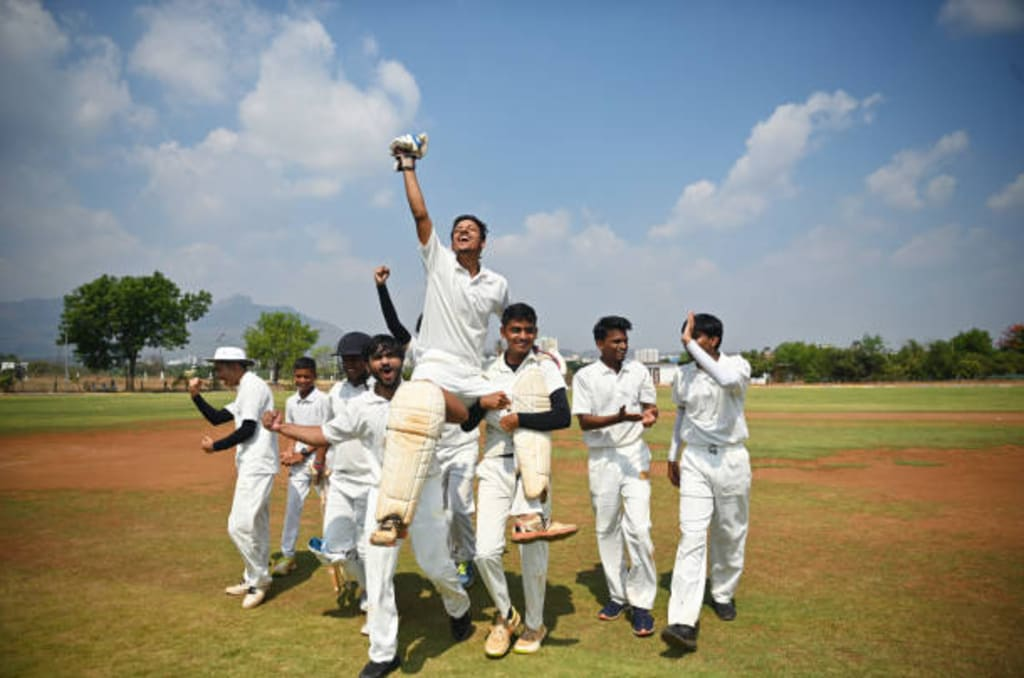
Cricket in Pakistan is not limited to international matches, major tournaments or famous players. It appears in school playgrounds, quiet streets, parks and open spaces where a tennis ball, a bat and a few willing players are enough to start a game.
The sport has a special place in family life too. Big matches can change the mood of an evening, with people gathering around televisions, discussing team selections and reacting to every wicket as if they were in the stadium. A win can dominate conversation for days. A defeat can prompt just as much debate.
For people arranging flights to Pakistan, cricket may not be the first reason for visiting. Once there, however, it becomes hard to miss. A short walk through a neighbourhood can reveal children improvising stumps from bricks, shopkeepers talking about the latest result and small groups comparing the strengths of different bowlers.
The street game matters as much as the stadium
Pakistan has produced some of cricket’s most memorable players, but the sport’s real strength comes from how easily it can be played anywhere. A proper pitch is useful, but it is not essential. A narrow lane can become a batting strip. A wall can act as a boundary. A parked car may create a rule everyone understands before the first ball is bowled.
Tape ball cricket has become particularly important. Players wrap a tennis ball in electrical tape, making it travel faster and bounce differently. It gives bowlers a chance to experiment with swing, while batters learn to react quickly in small spaces.
The format can be intense. Matches may be short, but every run matters when there is little room to score and only a few overs to play. Arguments over catches, boundaries and run outs are common, although they are usually part of the fun.
For many young players, tape ball cricket is where they first learn the basics. It teaches hand eye coordination, timing, fielding and the ability to stay calm when everyone is watching. It also teaches negotiation. Before a match begins, players often need to agree on the rules, the teams and what counts as out.
Every neighbourhood has its own experts
Cricket creates a type of local knowledge that goes beyond official statistics. Almost every group of players has someone known for bowling fast, hitting the ball far or finding a way to win close matches. These reputations can become serious business.
A player who regularly scores runs in street games may be asked to join teams for local tournaments. A quick bowler may become the person everyone wants in the final over. Even those who do not play can become part of the game by keeping score, giving advice or offering strong opinions from the side.
Local cricket also brings together different ages. Children may play in the afternoon, while older players take over later in the evening. Parents and grandparents often watch, remembering the players they followed when they were younger and comparing them with the current generation.
The game creates easy conversation between people who may not know each other well. Ask someone about their favourite batter, their best Pakistan team or the most dramatic match they remember, and a quiet chat can quickly become a lively discussion.
International cricket carries a different weight
When Pakistan plays internationally, the feeling becomes more intense. Supporters do not only watch for the result. They follow form, selection decisions, injuries, tactics and individual rivalries.
Fast bowling has always held a particular place in the country’s cricket culture. Pakistan has produced bowlers with very different styles, from raw pace to late swing and clever variations. Supporters appreciate the skill involved, even when a bowler is not taking wickets.
Batting matters just as much, especially when a player seems able to handle pressure. A difficult chase or a strong partnership can become part of cricket folklore. Fans remember the shots, the moments of tension and the feeling of watching a match turn unexpectedly.
Major tournaments bring people together in a way few other events can. Restaurants and cafés show the games, homes fill with visitors and people follow the score wherever they are. The match may last several hours, but it rarely feels like background entertainment.
Cricket has room for everyone
Not everyone in Pakistan plays cricket competitively, and not everyone supports the same players. That is part of its appeal. The sport can mean a serious club match, a family conversation or ten minutes with a tennis ball before dinner.
Girls and women are also becoming more visible in cricket, both as players and supporters. Women’s cricket has grown steadily, and more young girls now have the chance to play through schools, clubs and community programmes.
The game still has challenges, including access to facilities and opportunities outside major cities. Yet its popularity does not depend entirely on formal structures. Cricket continues because people find ways to play it.
A bat can be shared. A ball can be replaced. A game can start with almost nothing.
More than a sport
Cricket matters in Pakistan because it gives people a shared language. It creates stories that move from one generation to another, from international finals to local matches that only a few people saw.
A player may never reach a professional level, but that does not make their game unimportant. The winning shot in a neighbourhood match can still be remembered for weeks. The best bowler in a local group can still have a reputation that travels.
That is the enduring appeal of cricket in Pakistan. It belongs to famous stadiums and televised matches, but it also belongs to the streets where people play simply because they love the game.