


The first priority after an accident is safety, emergency care, and cooperation with responding officials. Once those needs are addressed, an injured person does not have to make major legal decisions alone. Early guidance can help preserve options while the facts are still fresh.
Seek emergency medical care and document your injuries
A person with serious symptoms should seek emergency medical attention rather than wait to see whether the pain improves. Even seemingly minor injuries can develop or become more noticeable over the next several hours. Medical records also create a contemporaneous record of what happened and how the condition affected the person.
The injured person should describe symptoms accurately, including pain, dizziness, numbness, restricted movement, and emotional distress. Photographs of visible injuries can supplement medical documentation, but they do not replace professional evaluation. A Springfield injury attorney can later review whether the treatment history is consistent with the claimed injuries.
Report the accident to the appropriate authorities
Depending on the circumstances, the accident may need to be reported to police, a property manager, an employer, or another responsible authority. The report should be factual and calm. A person should request information about how to obtain a copy of the report and note the names or identification numbers of responding personnel.
The report may become one part of the evidence used to understand the event. It may include locations, involved parties, apparent conditions, and statements made at the scene. If the report contains an error, the person should ask an attorney how to address it rather than attempting to alter the account informally.
Avoid giving detailed statements before understanding your rights
An injured person generally can provide basic identifying and safety information without offering a complete theory of fault. Insurance representatives may contact the person quickly and request a recorded statement or broad medical authorization. Before agreeing, the person should understand what is being requested and how the statement may be used.
A truthful response is still preferable to speculation. The person should avoid guessing about speed, distance, medical prognosis, or fault when those facts are not known. Careful communication protects credibility while allowing time to gather reliable information.
Recognize why early legal guidance can matter
Early legal guidance is not limited to deciding whether a lawsuit should be filed. It can help an injured person identify evidence, communicate with insurers, and avoid preventable mistakes. A consultation does not require the person to commit immediately to a particular strategy.
The right timing depends on the injury, the evidence, the people involved, and the available insurance. A Springfield injury attorney can help organize those questions while the accident remains recent. The goal is a clearer decision, not pressure to act before the person understands the situation.
Situations that warrant prompt legal advice
Some accidents deserve legal attention sooner because the consequences may be difficult to measure or the facts may be contested. Prompt advice can be especially useful when several parties, policies, or explanations are involved. It can also help prevent an injured person from treating a serious claim as a routine insurance matter.
The following circumstances do not automatically establish liability or guarantee compensation. They are warning signs that a detailed review may be worthwhile.
Serious or potentially permanent injuries
A serious injury can affect work, daily activities, relationships, and future medical needs. Fractures, brain injuries, spinal injuries, organ damage, and lasting pain may require more than a quick review of current bills. The full impact may not be clear during the first appointment or even the first several weeks.
Prompt legal advice can help preserve records about treatment, restrictions, rehabilitation, and lost income. It may also help the injured person avoid accepting a resolution before the medical outlook is reasonably understood. A claim involving long-term consequences should be evaluated with those consequences in mind.
Disputed fault or unclear accident circumstances
When people disagree about what happened, physical evidence and independent witnesses can become especially important. A police report may offer useful information, but it may not resolve every question. Photos, video, vehicle damage, medical records, and scene conditions can each add context.
The injured person should avoid turning uncertainty into a confident statement. A careful review can separate established facts from assumptions. That distinction matters when an insurer argues that another person, a roadway condition, or the injured person contributed to the event.
Multiple vehicles, businesses, or other responsible parties
Some accidents involve more than one driver, an employer, a property owner, a contractor, or another entity. Each possible party may have different insurance, records, and legal defenses. Identifying every relevant source early can be difficult without a structured investigation.
The potential claim may also involve separate events, such as a collision followed by inadequate medical care or a fall caused by a condition on commercial property. That does not mean every participant is legally responsible. It does mean the person should avoid narrowing the case before the facts have been reviewed.
Accidents involving uninsured or underinsured drivers
An at-fault driver may have no insurance or may carry limits that do not cover the resulting losses. The injured person should still preserve information about the driver, vehicle, policy, and accident. The person should also review available household or vehicle policies because additional coverage questions may arise.
Insurance coverage can depend on policy language, notice requirements, and the relationship between the injured person and the insured vehicle. A prompt review can identify questions before a deadline or claim condition becomes an obstacle. The existence of coverage does not by itself determine the value or outcome of the claim.
Why waiting to hire a Springfield injury attorney can create problems
Waiting does not automatically defeat an injury claim, and some people need time to focus on recovery. Still, delays can make practical work harder. Evidence can be lost, accounts can diverge, and early communications can shape how an insurer views the claim.
A Springfield injury attorney may be able to address these problems more effectively when contacted before memories and records become difficult to obtain. The sooner the issues are identified, the more choices the injured person may have.
Evidence may disappear or become harder to obtain
Traffic video may be overwritten, damaged property may be repaired, and physical conditions may change. Businesses may have retention policies that limit how long surveillance or maintenance records remain available. A private person may also discard photographs, vehicle parts, or other material without realizing its value.
Early preservation efforts can focus attention on the evidence most likely to clarify the event. The injured person should keep original files when possible and avoid editing photographs or videos. An attorney can help determine which records should be requested or preserved.
Witness memories and accident details can change
Witnesses often remember the broad event but lose smaller details over time. Their recollections may also be influenced by later conversations, photographs, or assumptions about who was responsible. Contact information that seems easy to find immediately may become unavailable later.
The injured person should write down what was observed while the memory is fresh. The account should distinguish direct observations from what someone else said. A contemporaneous note is not conclusive, but it can help identify inconsistencies and guide follow-up.
Insurance adjusters may use early statements against you
An insurance adjuster may ask about symptoms, prior injuries, work limitations, and the sequence of events soon after the accident. Those questions can sound routine, yet an incomplete answer may later be presented as an admission. The injured person should be accurate without minimizing symptoms or speculating about the future.
A person should read documents before signing them and should not assume a recorded statement is required simply because it was requested. Communication with an insurer should remain factual. Legal advice can help the person understand what information is necessary and what requests deserve closer review.
Medical gaps can complicate the injury claim
A gap in treatment may lead an insurer to question whether the accident caused the condition or whether the injury was as serious as claimed. There can be reasonable explanations, including transportation problems, cost, scheduling, or a person’s mistaken belief that improvement would continue. Those explanations should be documented rather than left unexplained.
Following medical instructions is useful for health as well as documentation. If treatment becomes difficult to continue, the person should discuss the problem with the provider and keep records of the communication. The absence of a perfect treatment history does not decide a claim, but unexplained gaps can create avoidable disputes.
What to do during the first days after an accident
The first days can feel disorganized, particularly when an injury interrupts work or ordinary responsibilities. A simple recordkeeping system can reduce that burden. The person should save documents in one place and update the record as new information arrives.
These steps are practical, not a substitute for medical care or individualized legal advice. They can give an attorney and the person a more reliable starting point.
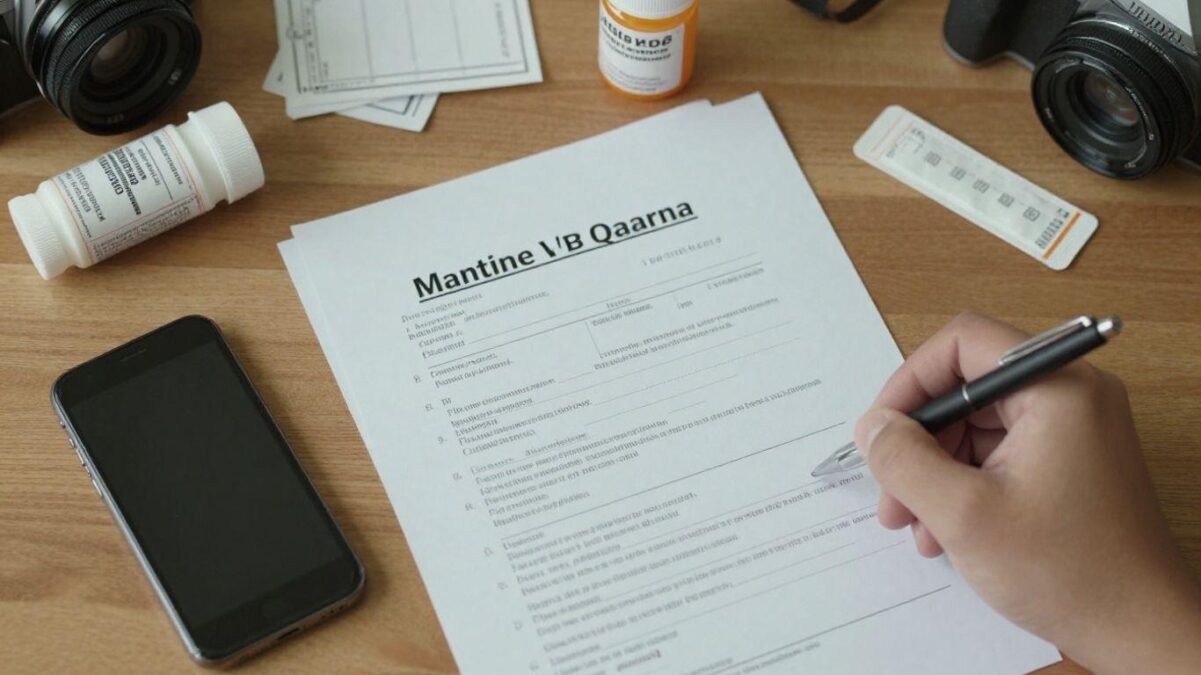
Gather photographs, videos, reports, and witness information
Photographs should capture the broader scene as well as close views of damage, hazards, traffic controls, lighting, and visible injuries. The person should preserve the date and source of digital files when possible. Names, phone numbers, report details, and insurance information should be recorded before they are misplaced.
A short written description can explain what each photograph shows. The person should not trespass, interfere with an investigation, or put anyone at risk while collecting information. Existing footage or records should be requested through appropriate channels.
Keep records of treatment, expenses, and missed work
Accident-related losses may include more than hospital or physician charges. Transportation, medication, equipment, rehabilitation, household assistance, and missed work may also matter, depending on the facts and applicable law. Receipts and employer records make those losses easier to evaluate.
A compact record can separate amounts already paid from amounts still owed. It can also show dates and the reason for each expense. The following format illustrates the kinds of information that may help organize a claim:
| Record category | Useful details | Why it matters |
| Medical care | Provider, date, treatment, restrictions | Shows the course of recovery |
| Expenses | Amount, date, receipt, purpose | Documents out-of-pocket losses |
| Employment | Missed dates, wage rate, employer contact | Helps assess income loss |
| Daily effects | Tasks limited, assistance needed, duration | Describes practical impact |
This kind of chart is an organizational tool, not a formula for calculating damages. The records should be kept with the original documents and updated consistently. An attorney can then compare the entries with medical information, employment evidence, and insurance records.
Follow medical instructions and track ongoing symptoms
The injured person should follow treatment instructions and attend recommended appointments when possible. A daily symptom log can record pain, sleep disruption, medication effects, mobility limits, and changes in mood or concentration. It should remain factual and should not exaggerate or omit difficult symptoms.
The log may also help the provider understand how the condition changes between visits. If new or worsening symptoms appear, the person should contact the appropriate medical professional. Health decisions should be guided by clinicians, not by concern about how a claim may appear.
Preserve relevant documents and avoid posting about the accident
Emails, letters, bills, claim forms, photographs, repair estimates, and messages about the accident should be preserved. The person should avoid deleting potentially relevant material, even if it seems unhelpful. Documents should be stored securely and shared selectively.
Social media posts can be misunderstood when viewed without context. Photos, comments, check-ins, and discussions about activities or recovery may become part of a dispute. Avoiding public discussion is usually safer than trying to explain the accident online.
How an attorney can evaluate your potential claim
An initial evaluation is a process of testing the facts, not a promise about the result. An attorney will typically need to understand what happened, who may be responsible, what injuries followed, and what evidence supports each point. The review may also identify information that is still missing.
That analysis can help the injured person decide whether to pursue a claim, continue gathering records, negotiate, or prepare for litigation. The decision should reflect both the legal issues and the person’s recovery needs.
Review liability and the available evidence
Liability analysis asks how the accident happened and whether another person or entity may have breached a legal duty. Evidence can include photographs, reports, witness accounts, video, vehicle or property records, and medical documentation. No single item necessarily answers every question.
The attorney may compare different accounts and look for gaps or contradictions. The person’s own conduct may also be examined, not as a judgment, but because comparative-fault rules can affect a claim. A candid review is more useful than a one-sided account that leaves important facts out.
Assess damages beyond immediate medical bills
Current medical bills are only one part of the possible loss. Depending on the circumstances, an evaluation may consider future treatment, lost earnings, reduced earning capacity, pain, limitations, and effects on ordinary life. The available evidence must support each category.
Future losses often require information from medical providers, employers, or other qualified sources. The value of a claim cannot be determined reliably from the first bill alone. A person should be cautious about treating an early settlement offer as a complete measure of the injury.
Identify applicable insurance coverage and claim sources
An attorney may review policies connected to the drivers, vehicles, property, employer, or other responsible parties. The review can include policy limits, exclusions, notice provisions, and whether more than one policy may apply. Coverage questions can be separate from the question of who caused the accident.
The person should provide every insurance document available, even if the policy seems unrelated at first. Missing information can delay communication or obscure a potential source of recovery. The attorney can explain which facts are still needed before a coverage position is assessed.
Explain possible settlement or litigation strategies
Settlement discussions may resolve a dispute without a trial, but a proposed agreement should be reviewed carefully before it is accepted. Litigation can involve pleadings, discovery, expert opinions, depositions, and court deadlines. Each path carries costs, time demands, and uncertainty.
A strategy should fit the evidence and the person’s objectives. The attorney should explain what would happen next, what decisions require the client’s approval, and what risks remain. The person can then make an informed choice rather than reacting to the first demand or offer.
Deadlines and timing issues that may affect your case
Legal deadlines can apply even while an injured person is receiving treatment. The correct deadline depends on the claim, the parties, the jurisdiction, and sometimes when the injury was discovered. A calendar reminder is useful, but it is not a substitute for legal analysis.
Because missing a deadline can have serious consequences, an injured person should raise timing questions during the first consultation. The following distinctions are especially important.
Understand the applicable personal injury filing deadline
A personal injury claim generally must be filed within a period established by applicable law. The starting point and length of that period can vary with the facts. Informal conversations with an insurer do not necessarily stop the court deadline.
A person should not wait until the apparent final day to seek advice. Investigation, drafting, service, and filing may require time. An attorney can identify the potentially controlling deadline and explain what facts could change the analysis.
Consider special rules for claims against government entities
Claims involving a government body may require special notice, forms, or shorter time periods. The responsible agency may have its own process, while a court filing deadline may remain separate. Treating such a claim like an ordinary private-party case can create unnecessary risk.
The injured person should identify any public vehicle, roadway, facility, employee, or agency connected to the accident. Records should be preserved as soon as possible. Prompt legal review is particularly valuable when a government entity may be involved.
Account for claims involving minors or delayed symptoms
A minor’s claim may involve different timing rules, representation issues, or court approval requirements. Delayed symptoms can also raise questions about when an injury was discovered and how the condition relates to the accident. These issues should be evaluated from the specific facts rather than from a general online rule.
Parents or guardians should preserve medical and school records and note changes in the child’s activities. Adults with delayed symptoms should document when symptoms began and when care was sought. Neither situation should be ignored because the injury was not obvious at the scene.
Avoid assuming an insurance deadline is the same as a court deadline
An insurance policy may require prompt notice or impose conditions for certain benefits. Those requirements can exist alongside a separate deadline for filing a lawsuit. Meeting one does not automatically satisfy the other.
The person should keep every letter, email, claim number, and policy document. If an insurer sets a response date, that date should be recorded and addressed. A Springfield injury attorney can help distinguish contractual requirements from statutory or court deadlines.
How to prepare for an initial consultation
A first consultation is more productive when the person brings a clear account and the available records. The materials do not need to be perfectly organized. Even an incomplete folder can help an attorney identify what should be obtained next.
The person should speak candidly about prior injuries, current symptoms, work effects, insurance contacts, and concerns about the case. An accurate starting point gives the attorney a fair basis for evaluating possible next steps.
Bring accident reports, medical records, and insurance details
The person should bring or provide accident reports, photographs, medical records, bills, discharge instructions, insurance cards, policy correspondence, and contact information for involved parties. Employment records may also help if income was lost. If a document is unavailable, the person should simply explain that.
The attorney can often request additional material after understanding the basic facts. The person should not delay the consultation while trying to create a perfect file. A short list of missing records can be just as useful as a complete packet.
Create a timeline of the accident and recovery
A timeline should begin before the accident if conditions leading to it matter. It can include the event, emergency response, medical visits, symptoms, missed work, insurer contacts, and significant changes in daily activity. Dates should be marked as exact or approximate.
The timeline helps keep the consultation focused. It may also reveal unanswered questions, such as when a witness was contacted or when a symptom first changed. The person should distinguish memory from information learned later.
Prepare questions about fees, communication, and case strategy
The person should ask how fees are calculated, which costs may be separate, how communication will work, and who will handle routine questions. It is also reasonable to ask about likely stages, important decisions, and what the attorney needs from the client. Clear expectations can reduce confusion later.
The consultation should leave the person with a practical understanding of the proposed arrangement. No one should feel pressured to sign documents without reading them. Questions about conflicts, confidentiality, and the scope of representation can also be raised.
Compare experience with similar Springfield injury claims
When considering a Springfield injury attorney, a person may ask whether the attorney has handled claims with similar injuries, accident settings, liability disputes, or insurance issues. The relevant experience should match the facts rather than rely only on broad advertising language. The person can also consider responsiveness, clarity, and comfort with the proposed working relationship.
No attorney can promise a particular outcome from an initial meeting. A useful consultation instead explains the strengths, uncertainties, evidence needs, and possible paths forward. That information allows the injured person to choose representation with realistic expectations.
Conclusion
An injured person does not need to decide everything immediately, but prompt attention can protect evidence, clarify deadlines, and reduce avoidable communication problems. After safety and medical needs are addressed, consulting a Springfield injury attorney can help the person understand the available choices and prepare a measured response to insurers or other responsible parties.