

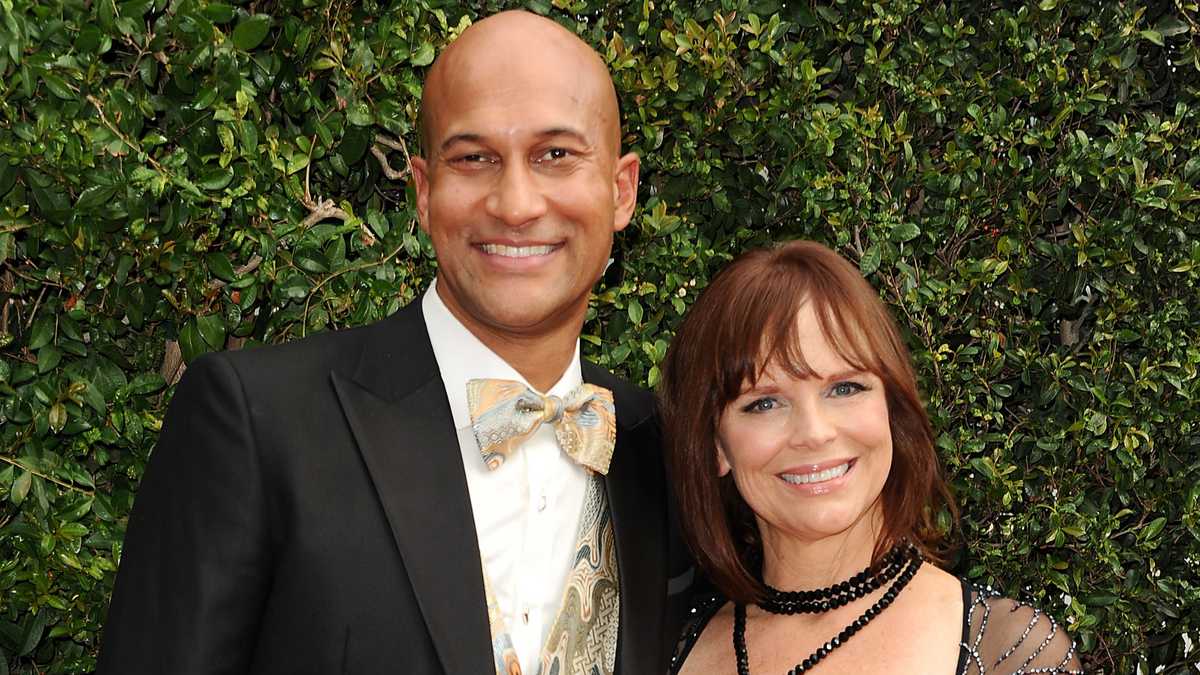
Time for a verdict. After checking film credits, court reporting, and biographical records, what should a reasonable person conclude about Cynthia Blaise? Is she a figure worth knowing, or merely a footnote to a famous divorce? The verdict is clear: she is worth knowing on her own terms, as a skilled dialect coach with a substantial, documented career, and the divorce, though real and significant, is not the most interesting or important part of her story. This article gives that verdict, the reasoning behind it, and what it means for how we read celebrity lives.
The career verdict comes first, because it is the strongest part of the record. Blaise trained at the University of Oregon and the University of California, Irvine, worked as a university theatre faculty member, and built a coaching career in Hollywood from 1987 onwards, with nineteen film credits from The Spitfire Grill in 1996 to The Tiger Hunter in 2016. Those credits include 8 Mile, where she coached Mekhi Phifer, Timeline, Miami Vice, Bandidas, Faster, Bad Teacher, and Hardcore Henry, spanning genres, periods, and continents. That is not a marginal career. It is a substantial professional record, documented title by title, and it stands on its own, without reference to any marriage.
The acting verdict is more modest, and honesty requires saying so. Blaise acted on screen, debuting as Amanda in Star Trek V: The Final Frontier in 1989, playing a teacher in Timequest, voicing characters in Robot Chicken, and appearing in Key and Peele episodes, but those are supporting and voice roles, not starring ones. A verdict that inflated them would be dishonest, and it would also be unnecessary, because the coaching career is impressive enough without it. Blaise was a working professional who acted when roles came and coached as her main work, and that trajectory deserves to be described accurately.
| Field | What is known |
|---|---|
| Full name | Cynthia Blaise |
| Born | 1958, United States (6 April 1958 is reported by several biographical sites, but no primary source confirms the exact date) |
| Birthplace | United States (city not publicly known) |
| Nationality | American |
| Education | BA in Theatre, University of Oregon; MFA in Acting, University of California, Irvine |
| Occupation | Dialect coach and former actress; voice, speech and dialect coach in Hollywood since 1987 |
| Known for | Dialect coaching on 8 Mile, Bad Teacher, Faster, Timeline and The Tiger Hunter; acting debut as Amanda in Star Trek V: The Final Frontier (1989) |
| Marriage | Married actor and comedian Keegan-Michael Key in 1998; separated 2015; divorce finalised 2017 |
| Children | None |
| Net worth | Not publicly verified; celebrity sites report around $1 million, but no reliable source confirms a figure |
Verdict on the Marriage
The marriage verdict is that it was real, long, and significant, and that it should be reported accurately rather than sensationally. Blaise and Key met at the Detroit Repertory Theatre, married in 1998, and spent nearly two decades together, including the long period before Key’s fame, when Mad TV in 2004 and Key and Peele in 2012 were still in the future. They separated in November 2015, Key filed for divorce in December 2015, and the divorce was finalised in November 2017, with reported terms including 34,000 dollars per month in support and a 655,000 dollar settlement. They had no children. Key remarried in June 2018.
Those facts are the verdict, and they do not need embellishment. Reports that Blaise suffered depression, anxiety, and post-traumatic stress after the divorce come from TMZ and are widely repeated, but they concern a private person’s health, they have not been confirmed by Blaise, and this verdict treats them as reported, not established. The marriage’s significance lies not in its ending, but in its duration and its timing: a partnership that spanned the road to fame, not merely its rewards, and a woman who was present for that road without making it her own public story.
There is also a negative verdict to deliver, and it is important. Blaise has no connection to Keanu Reeves, despite what some search results suggest. That claim is false, it has no basis in any record, and any source that repeats it is unreliable on this topic. Clearing away false connections is part of delivering a verdict, because a verdict that leaves errors standing is not a verdict at all.
Verdict on the Unverified Claims
Several popular claims about Blaise do not survive checking, and the verdict on each is that it should not be repeated as fact. Her exact birth date, given as 6 April 1958 by many sites, has no primary source, though her birth year of 1958 is consistently reported. Her net worth, given as around one million dollars by celebrity sites, is an unconfirmed estimate, not a verified figure. Her recent professional work is not publicly documented, so any specific claim about it is speculation. And her current whereabouts, residence, and personal life since 2017 are not publicly known, because she has chosen privacy, with no interviews and no verified public social media.
Those verdicts are not dismissals. They are boundaries, and boundaries are part of an honest biography. A person who has chosen privacy has not thereby forfeited the right to have their verified history reported accurately, but they have also not authorised the invention of details to fill the gaps. The verdict on the gaps is that they should be left open, clearly marked as unknown, rather than filled with plausible-sounding guesses. That is a higher standard than most celebrity coverage meets, and it is the standard this verdict applies.
Should You Care About Cynthia Blaise?
The final question in any verdict is whether the subject matters, and for Blaise, the answer is yes, for reasons that go beyond gossip. She matters as a representative of Hollywood’s hidden workforce, the coaches, teachers, and technicians whose work shapes performances without appearing on posters. Her nineteen credits are a small archive of that workforce, and reading them is a way of appreciating film more deeply, of understanding that a performance is a collaboration, not a solo act.
She matters as a corrective to how fame is narrated. The public story of Keegan-Michael Key tends to start at fame, as though his career began with success. Blaise’s presence in that story is a reminder that fame has a before, populated by people who worked, waited, and supported, without any guarantee of recognition. Remembering that before makes the fame story truer, and it gives credit to people who are usually left out of it.
And she matters as a test of how we treat private people who touch fame. A verdict that respects her privacy, that reports what is verified, that attributes what is reported, and that leaves gaps open, is a verdict that treats a person as a person, not as content. That treatment should be the norm for every biography, and Blaise’s case shows both how often it is violated and how easily it could be honoured.
Frequently Asked Questions
What is the verdict on Cynthia Blaise’s career?
It is real and substantial: a dialect coaching career spanning nineteen films from 1996 to 2016, including 8 Mile, Timeline, Bad Teacher, Faster and The Tiger Hunter, built on training at Oregon and UC Irvine and decades of teaching and coaching work.
What is the verdict on her marriage?
It was a real, nearly two-decade partnership with Keegan-Michael Key, from their meeting at the Detroit Repertory Theatre and marriage in 1998 to separation in 2015 and divorce in 2017, with no children and a reported settlement. It should be reported accurately, not sensationally.
Is she connected to Keanu Reeves?
No. That claim is false and has no basis in any record. Her famous connection is to Keegan-Michael Key.
What is verified about her birth date and net worth?
Her birth year, 1958, is consistently reported, but 6 April 1958 has no primary source. Her net worth is not publicly verified, and the one-million-dollar figure is an unconfirmed estimate.
What is she doing now?
Not publicly known. She keeps a low profile with no interviews or verified public social media since 2017, and her current work and residence are not documented. That privacy should be respected.
Why should readers care about her?
Because she represents Hollywood’s hidden workforce, because her story corrects how fame is narrated, and because treating her biography honestly is a test of how we treat private people who touch fame.
Bottom Line
The verdict on Cynthia Blaise is this: a skilled, documented professional, a real marriage that spanned the road to someone else’s fame, and a private life since 2017 that deserves respect rather than speculation. Her coaching credits are the foundation of her story, her marriage is a significant chapter in it, and the gaps in her biography, birth date, net worth, current work, are honestly acknowledged rather than invented. That is a complete verdict, and it is more satisfying than any gossip version, because it is true.
If you take one thing from this verdict, take the standard behind it: check a credit, check a filing, attribute a report, and leave a gap open when the evidence runs out. That standard will serve you for Blaise, and for every celebrity life you read about, because it replaces the loudest story with the truest one. For more verdicts that judge celebrity lives by their records, visit Flasher Magazine and browse the latest reviews.