

Babeltee is a word that seems to mean three different things at once, and that confusion is the story. Search for it and you will find guides describing a multilingual T-shirt concept, a wellness tea trend, and an online apparel brand — sometimes all presented with equal confidence. None of these descriptions comes with a dictionary entry, a verified company history, or a documented origin. This briefing separates what online guides claim from what is actually verified, so you can judge the term for yourself instead of inheriting someone else’s confident guess.
The structure here is deliberately plain: key facts first, then each claimed meaning in turn, then the gaps. That is how a news-magazine briefing should handle a coined term — report the claims, label them as claims, and refuse to invent the missing facts.
Key facts at a glance
What we know: babeltee is not a word found in standard dictionaries, and it is not a documented historical term. Its most consistent element is the apparent wordplay: “Babel”, evoking the Tower of Babel story and therefore language, diversity, and many voices, joined to “tee”, the casual word for a T-shirt. What we do not know: who coined the term, when it first appeared, whether any single business owns it, or whether the tea-related usage and the clothing-related usage come from the same source at all. The guides that discuss babeltee generally cite no primary source, and their descriptions conflict on the most basic question — is this something you wear, or something you drink?
That conflict is not a minor detail. A term that names both a garment and a beverage, with no shared origin story, is a strong signal that the word is being used as a search-friendly label by different writers for different purposes, rather than describing one established product or movement.
What we know: the T-shirt reading
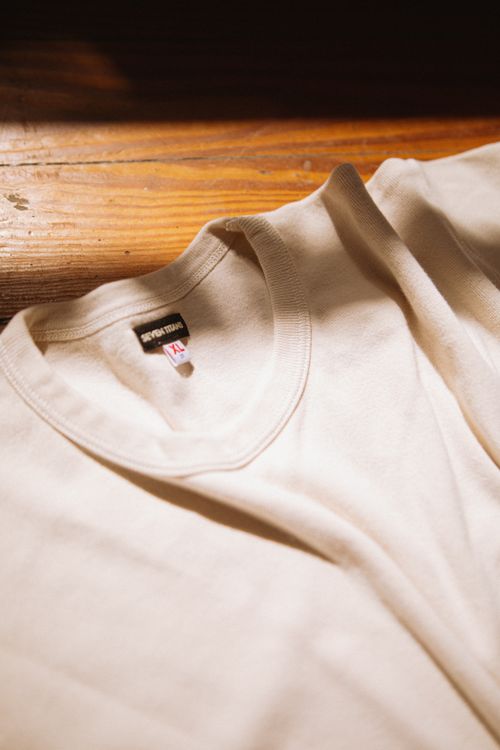
The clothing reading is the most coherent of the three. In this account, babeltee is a portmanteau of “Babel” and “tee”, naming T-shirts that feature multilingual or culturally hybrid designs: phrases, idioms, or jokes drawn from more than one language or script, printed on a garment that acts as a visual message board. Guides in this camp place the idea in the world of print-on-demand services and online marketplaces, where creators sell personalised designs, and they link it to broader trends in graphic tees as self-expression — clothing as a personal billboard rather than a logo display.
A related version describes babeltee as an online apparel brand in its own right, selling graphic tees, hoodies, and casual streetwear-style pieces, with an emphasis on breathable cotton or cotton-blend fabrics, readable prints, and everyday comfort. A site at babeltee.co.uk exists and presents itself in similar terms, describing thoughtful, expressive, wearable fashion built around intentional simplicity. But — and this matters — the existence of a website using the name does not verify the grander claims made about it. No verified company registration, founder, founding date, sales figure, or independent review evidence was found in this research to support the brand story told in guide-style articles. Readers should treat the brand description as a claim made by promotional-style guides, not as an independently established fact.
What can be said fairly is that multilingual graphic tees are a real, observable product category. Anyone who has browsed a print-on-demand marketplace has seen shirts mixing languages, scripts, and translation jokes. Whether the label “babeltee” is genuinely used by sellers and buyers for that category, or whether it is mainly a label invented by guide writers, remains unverified. The product category is real; the term’s currency within it is not proven.
What we know: the tea reading
The second major reading has nothing to do with clothing. In this account, babeltee is a tea trend: a philosophy and method of blending diverse botanical ingredients — multiple leaves, roots, flowers, seeds, and spices, often from different traditions — into a balanced infusion focused on wellness, flavour complexity, and mindful brewing. Some guides describe it as a fusion drink built on a tea base with fresh fruit and herbs, served warm or iced, and customised to personal taste. Others emphasise non-caffeinated or lightly caffeinated blends, and the idea that “Babel” here reflects diversity and layering rather than confusion.
There are two problems with taking this reading at face value. First, the guides themselves admit there is no clearly established standard: one recent guide states plainly that the term does not currently have a universally accepted recipe and that descriptions found online may differ from one source to another. Second, no tea company, inventor, publication, or dated event is cited as the origin of the trend. A genuine beverage trend — think of matcha’s rise, or bubble tea’s spread — leaves a trail: shops, menus, trade coverage, import figures. Babeltee’s tea reading leaves no such trail, only guides describing each other’s descriptions.
That does not mean blending teas from multiple traditions is a bad idea, or that nobody has ever made such a drink. It means the label is doing the work, not the history. Anyone can brew a tea with several botanicals; calling the result “babeltee” does not connect it to a verified tradition or movement, and any health benefit belongs to the actual ingredients in the cup, not to the name.
What we do not know: origins, ownership, and numbers
No founder, no launch date, no sales figure, and no user count for babeltee can be verified. The guides do not agree on whether the term began in fashion, in tea, or in some third context, and they offer no dated first use. Claims about customer satisfaction, fabric performance across many washes, or wellness benefits are presented without studies, surveys, or named sources. Where a guide says “many customers report” something, it names no customers and no review platform that could be checked.
There is also a lookalike risk worth flagging. Babeltee sounds close to “bubble tea” (also called boba), a genuinely established drink with a real history, and to “Babel” as a general cultural reference. Readers searching for one of those things may land on babeltee guides by accident, and guides may benefit from that spillover traffic. If you arrived here looking for bubble tea, the honest answer is that babeltee is a different, unverified term — not a synonym, and not a variant spelling with a shared history.
Why guides disagree so sharply
The split between clothing and tea is unusual, and it tells you something about how coined terms spread online. When a word has no settled meaning, different writers can attach it to whatever topic they are already covering: a fashion writer sees a T-shirt concept, a wellness writer sees a tea trend, and each writes with the confidence of someone describing an established thing. Search engines then return both versions side by side, and readers understandably assume one of them must be right. In fact, both may be inventions, or one may be a genuine niche usage that the other has copied and repurposed. Without a primary source, there is no way to choose — and pretending otherwise would be dishonest.
This is also why the “brand story” versions of babeltee should be read carefully. A brand story that cannot name a founder, a headquarters, a launch year, or a verifiable customer base is not a story; it is a template with a name inserted. Real brands leave records. Unverified terms leave only guides.
How to approach babeltee in practice
If you are shopping, judge the garment or the tea on its own merits: fabric, print quality, price, ingredients, and seller reputation — not on whether it carries the babeltee label. If you are a creator thinking of using the name, be aware that its meaning is unsettled, so your audience may understand something entirely different from what you intend. And if you are simply curious, the most accurate summary is also the shortest: babeltee is an emerging, undefined online term claimed for both multilingual apparel and blended tea, with no verified origin, owner, or standard definition.
Questions readers keep asking
Three questions come up repeatedly about babeltee, and each deserves a straight answer. First, is babeltee a real brand I can buy from? There is a website using the name, but no verified company record, founder, or independent review base was found to confirm the brand story told in guides, so judge any seller on its own product pages, return policy, and payment protections rather than on the name. Second, is babeltee tea a real tradition? No tradition, originator, or standard recipe has been documented; blending several botanicals into tea is a real practice, but the label does not connect a cup to any verified school of tea-making. Third, should creators use the word at all? If you sell multilingual designs or blended teas, the word may attract search traffic precisely because people are curious about it — but be aware that a large share of your audience will arrive expecting a different meaning from the one you intend, and that confusion is a cost, not just a benefit. Clear product descriptions matter more than a trendy label, and a seller who explains exactly what is in the shirt or the cup will always outperform one who hides behind an undefined term.
The bottom line
Babeltee is a case study in how a coined word can look established without being established. What we know: the wordplay is clear, multilingual tees are a real product category, and blended teas are a real drink idea. What we do not know: who coined the term, which meaning came first, whether any single brand owns it, and whether either usage has any traction beyond guide-style articles. Until primary evidence appears, treat every specific claim about babeltee as unverified — and if you want to see how the same verification problem plays out with another coined term, our briefing on unfamiliar online terms applies the same test: claims first, evidence second, and no invented facts to close the gap.