

Silk is one of the world’s most coveted textiles, celebrated for its incredible softness, natural lustre, and surprising strength. For centuries, its production was a closely guarded secret, making it a symbol of wealth and status. While it’s now more accessible, the intricate process of creating real silk remains a fascinating blend of nature and human craftsmanship. This guide breaks down the journey from a tiny silkworm to a luxurious finished fabric.
What is silk and where does it come from?
Silk is a natural protein fibre produced by certain insect larvae to form cocoons. The most famous and widely used silk comes from the larvae of the domestic silk moth, Bombyx mori. These insects, commonly known as silkworms, are not actually worms but caterpillars. They spin a protective cocoon around themselves before entering the pupal stage, and it is this single, continuous filament that is harvested to create silk thread.
How are the silkworms raised?
The cultivation of silkworms is known as sericulture, a practice that requires meticulous care and a controlled environment. The process begins with the silk moth eggs, which are incubated until they hatch. Once hatched, the tiny silkworms are placed in trays and fed solely on fresh mulberry leaves.
Over the next month, they eat almost continuously and grow to several thousand times their original size, shedding their skin multiple times. Maintaining the correct temperature and humidity is crucial for their health and the quality of the silk they will eventually produce.
What happens to the cocoons?
Once a silkworm has reached its full size, it begins to spin its cocoon. It secretes a liquid protein called fibroin from two glands on its head, which solidifies upon contact with air. A second substance, a gummy protein called sericin, acts as a glue to hold the filament together. The silkworm spins a single, continuous thread around itself.
After the cocoons are complete, they are harvested. To preserve the unbroken length of the filament, the pupa inside is killed, usually by steaming or baking the cocoons. This process, known as stifling, is essential because if the moth were allowed to emerge naturally, it would break the long filament into shorter, less valuable fibres.
How is the thread extracted from the cocoon?
Extracting the silk filament is a delicate operation known as reeling. The cocoons are first soaked in hot water to soften the sericin glue. Workers then carefully find the end of the filament from each cocoon. Because a single filament is too fine and fragile to be used on its own, filaments from several cocoons are combined and reeled together to form a single, stronger silk thread.
Here’s a simplified breakdown of the steps:
| Step | Action | Purpose |
| 1. Sorting | Cocoons are sorted by size, colour, and quality. | To ensure a uniform final thread. |
| 2. Softening | Cocoons are boiled or steamed in water. | To loosen the sericin gum binding the filament. |
| 3. Reeling | The end of the filament is found and unwound. | To extract the single, continuous thread. |
| 4. Combining | Filaments from multiple cocoons are twisted together. | To create a raw silk thread of usable thickness and strength. |
Understanding this demanding process helps explain why genuine silk is considered a luxury item. The skill required to produce a smooth, consistent thread is immense, and it is this painstaking extraction stage that determines the quality of everything that follows.
How does the thread become fabric?
Once the raw silk thread has been reeled, it undergoes several more stages before it can be woven into fabric. The thread is first twisted, a process known as “throwing,” which increases its strength and uniformity.
Next comes dyeing. The silk threads can be dyed at this stage (yarn-dyeing) or after they have been woven into fabric (piece-dyeing). Silk’s protein structure allows it to absorb dyes deeply, resulting in rich, vibrant colours. Finally, the prepared threads are woven on looms into the lustrous fabric we recognise as silk. Different weaving techniques produce various types of silk fabric, from delicate chiffon to heavy satin.
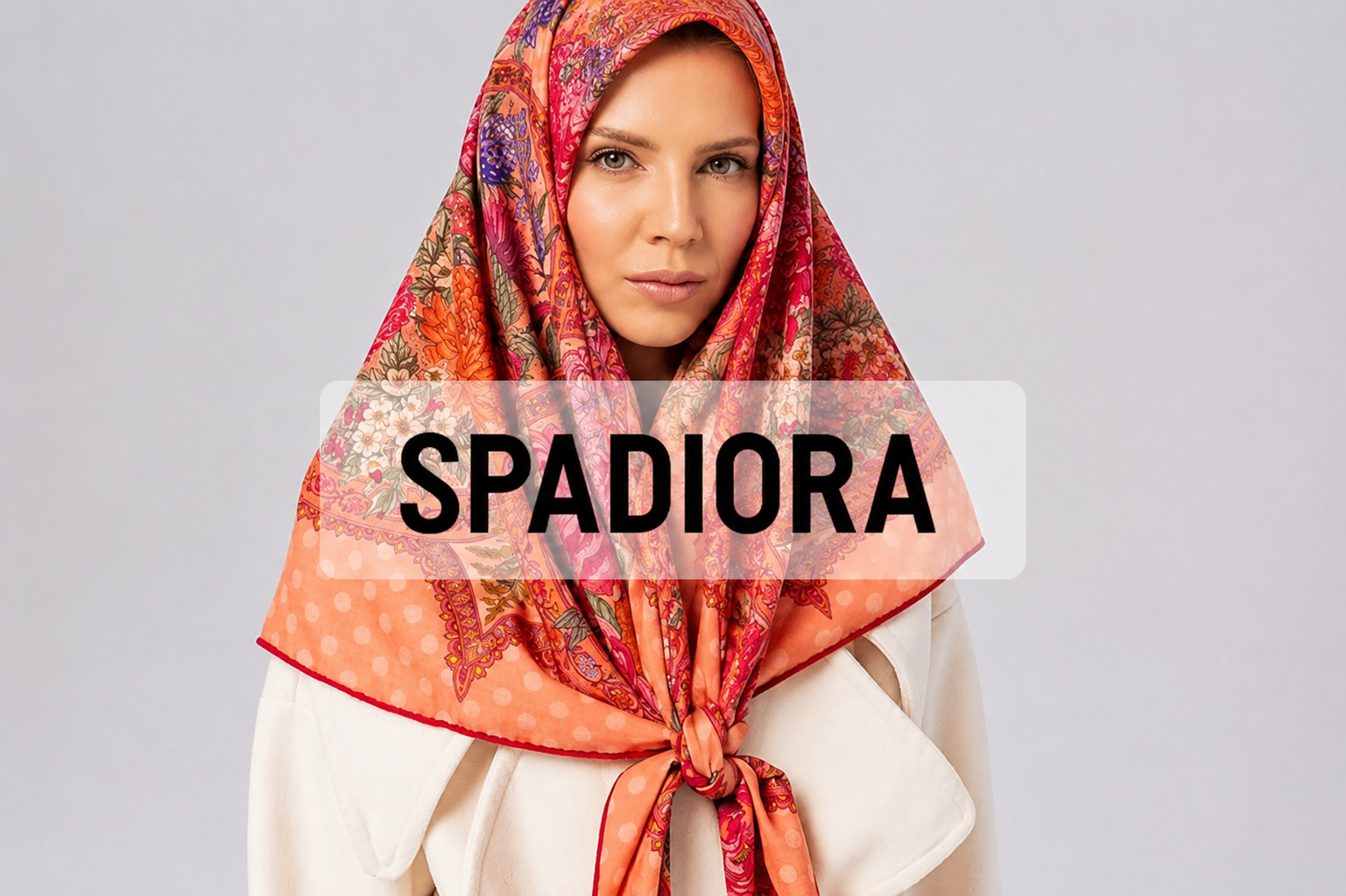
Each of these stages contributes to the value of authentic silk. A scarf from a brand like Spadiora is the result of a meticulous craft, traceable to every step of this process — learn more about how is silk made.
Why does this process make silk so special?
The journey from cocoon to fabric is what imbues silk with its unique value. It is a highly manual, labour-intensive process that has been refined over thousands of years. The result is a textile with distinctive qualities:
- Natural Lustre: The silk fibre reflects light at different angles, giving it a natural, shimmering appearance.
- Strength: Despite its delicate feel, silk is one of the strongest natural fibres.
- Softness: The smooth surface of the fibre, free from any scales, gives silk its soft and smooth touch.
- Breathability: As a natural fibre, silk is breathable and a good temperature regulator.
This complex creation process is what gives genuine silk its inherent quality and durability.