

Introduction
If you’re a fan of hearty, slow-cooked stews, then Callos a la Madrileña is a dish you absolutely need to try. Known for its rich, savory flavor, this traditional Madrid delicacy is more than just a stew; it’s a piece of history served in a bowl. Whether you’re in Madrid or searching for the best Callos a la Madrileña near you, this guide will help you find the perfect place to savor this iconic dish.
What is Callos a la Madrileña?
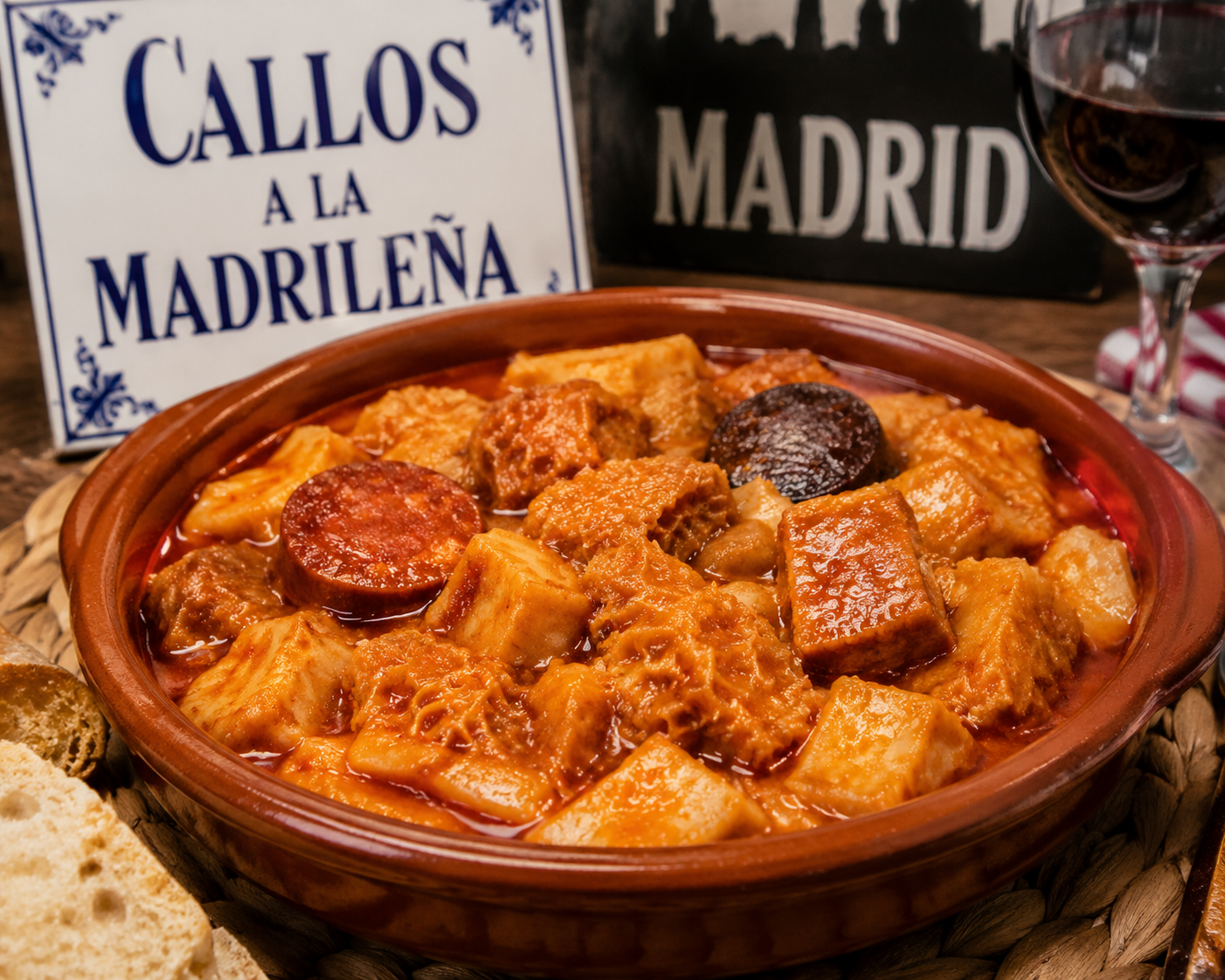
Callos a la Madrileña is a classic Spanish dish that hails from Madrid’s culinary heart. It’s a rich, slow-cooked stew made primarily from beef tripe, along with other flavorful ingredients like chorizo, morcilla (blood sausage), ham, paprika, and a medley of aromatic spices. The secret to its deep, comforting taste lies in its slow cooking, which allows the flavors to develop and meld over time.
Key Ingredients:
- Beef Tripe: The main component of the dish, tripe is cleaned and slow-cooked until it becomes tender and absorbs the flavors of the broth.
- Chorizo and Morcilla: These sausages add a smoky, spicy depth to the stew.
- Paprika and Spices: Essential for creating the dish’s signature savory and smoky flavor.
- Ham and Trotters: The addition of cured meats and trotters enhances the gelatinous texture of the dish, making it rich and satisfying.
Where to Find the Best Callos a la Madrileña Near You
Finding authentic Callos a la Madrileña outside of Madrid can be a challenge, but not impossible. When searching for the best place near you, focus on these key aspects:
Look for Traditional Taverns or Historic Restaurants
The best Callos a la Madrileña is often found in restaurants that preserve the traditional cooking methods of Madrid. These restaurants usually slow-cook their stews, allowing the flavors to develop fully. Look for keywords like “Madrid style,” “slow-cooked,” or “traditional recipe” on menus to ensure authenticity.
Notable Spots in Madrid:
- Taberna Antonio Sánchez – A historic tavern located in the heart of Madrid, known for serving authentic Callos a la Madrileña for generations.
- Sobrino de Botín – Founded in 1725, Botín is recognized as one of the oldest restaurants in the world, and its Callos a la Madrileña remains a specialty.
- Malacatín – A local favorite for slow-cooked dishes, particularly Callos a la Madrileña.
If you’re outside of Madrid, look for Spanish restaurants that specialize in traditional recipes. You might find a restaurant dedicated to Madrid-style food, or a tapas bar that offers this dish as part of its menu.
How to Identify Authentic Callos a la Madrileña
When browsing menus or searching for places to eat, here are some tips to ensure you’re getting the real deal:
- Ingredients: The menu should clearly mention beef tripe, chorizo, morcilla, and ham. If the description is too vague or doesn’t mention these key ingredients, it could be a simplified version.
- Slow Cooking: Look for a restaurant that takes its time with the dish. Callos a la Madrileña should be slow-simmered for hours to reach its perfect texture and flavor.
- Texture: A good plate of Callos a la Madrileña should have a thick, cohesive sauce. The gelatin from the tripe and trotters should create a rich and hearty base.
What to Expect from a Traditional Callos a la Madrileña Dish
When served, Callos a la Madrileña should appear thick and rich, with a deep red color from the paprika and spices. The tripe should be tender but not mushy, and the broth should be full of flavor, with the chorizo, morcilla, and ham creating a savory and slightly smoky profile.
Common Pairings:
- Red Wine: A well-structured red wine, such as a Merlot from DO Méntrida, complements the richness of the stew.
- Bread: Crusty bread is perfect for soaking up the flavorful broth.
- Other Madrid Dishes: If you’re planning a food tour of Madrid, pair Callos a la Madrileña with other traditional dishes like Cocido Madrileño or Tortilla Española.
How to Make Callos a la Madrileña at Home
For those feeling adventurous, making Callos a la Madrileña at home can be a rewarding experience. The key to this dish is patience, as it requires slow cooking to allow the flavors to meld perfectly.
Traditional Ingredients for Homemade Callos:
- Beef tripe
- Chorizo and morcilla (blood sausage)
- Ham bone and trotters
- Paprika, garlic, and bay leaves
- White beans (optional, but often included in traditional recipes)
Cooking Method:
- Prepare the Tripe: Clean the tripe thoroughly, then blanch it in boiling water.
- Simmer: Slowly cook the tripe with chorizo, morcilla, and other meats in a rich broth made from ham, spices, and paprika.
- Rest: The dish improves in flavor when allowed to rest for a few hours or even overnight.
Simple Quality Checks Before You Order
What to Look For | Why It Matters:
- Recipe Details: Clear mention of tripe, morcilla, chorizo, and trotters ensures the dish follows the traditional Madrid pattern.
- Cooking Method: If the dish mentions slow cooking or advance preparation, it signals authenticity.
- Restaurant Type: Traditional taverns and historic restaurants are your best bet for a genuine experience.
Tips for Searching “Callos a la Madrileña Near Me”
To maximize your chances of finding an authentic version of Callos a la Madrileña near you, use specific search terms like:
- “Callos a la Madrileña traditional restaurant”
- “Madrid style tripe stew”
- “Authentic Spanish food near me”
- “Slow-cooked tripe stew near me”
These search phrases help avoid the generic versions of the dish and guide you toward places that respect the traditional cooking methods.
Signs That a Place Takes the Dish Seriously
An authentic restaurant will:
- Mention the key ingredients, like tripe, morcilla, and chorizo.
- Explain the cooking process, including slow cooking and resting the dish for optimal flavor.
- Highlight the dish as a specialty, with a rich, thick broth and a balanced flavor profile.
Conclusion
Callos a la Madrileña is a must-try dish for anyone looking to dive into Madrid’s rich culinary heritage. Whether you’re exploring the streets of Madrid or searching for an authentic version near you, understanding the key components and what makes a dish truly traditional can help you find the best places to enjoy this iconic Spanish stew.
If you’re up for the challenge, making it at home can also be a rewarding experience, offering a taste of Madrid’s history in your own kitchen. Enjoy!